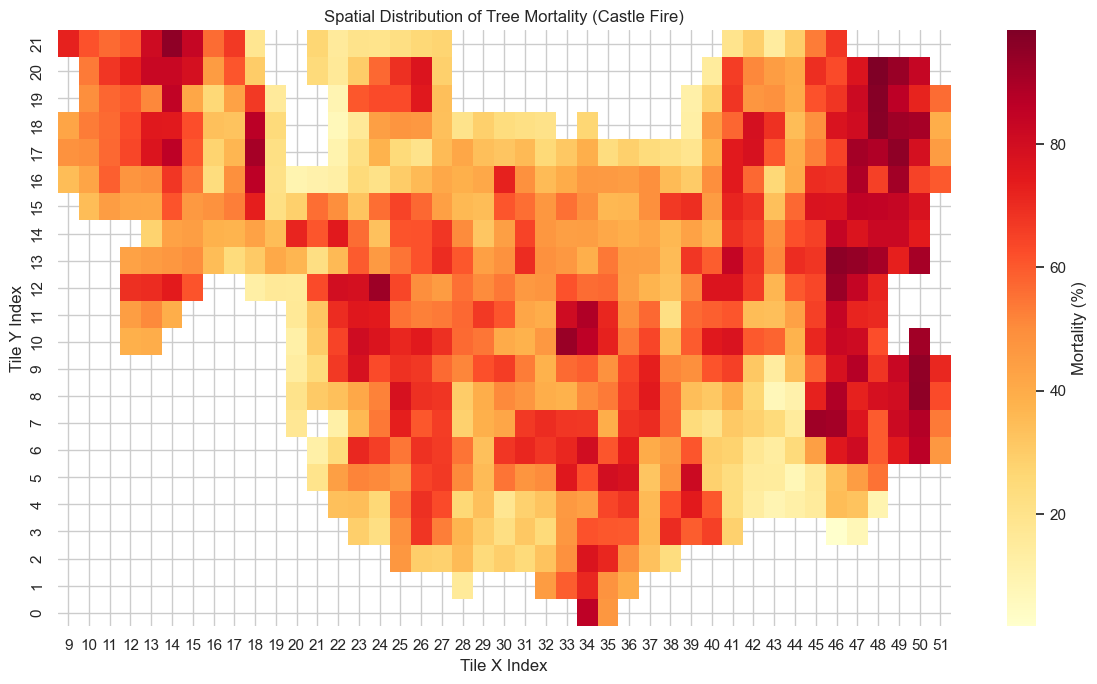
Spatial extent of tree mortality resulting from the 2020 Castle Fire, made using preliminary computer vision tree mortality estimates (below).
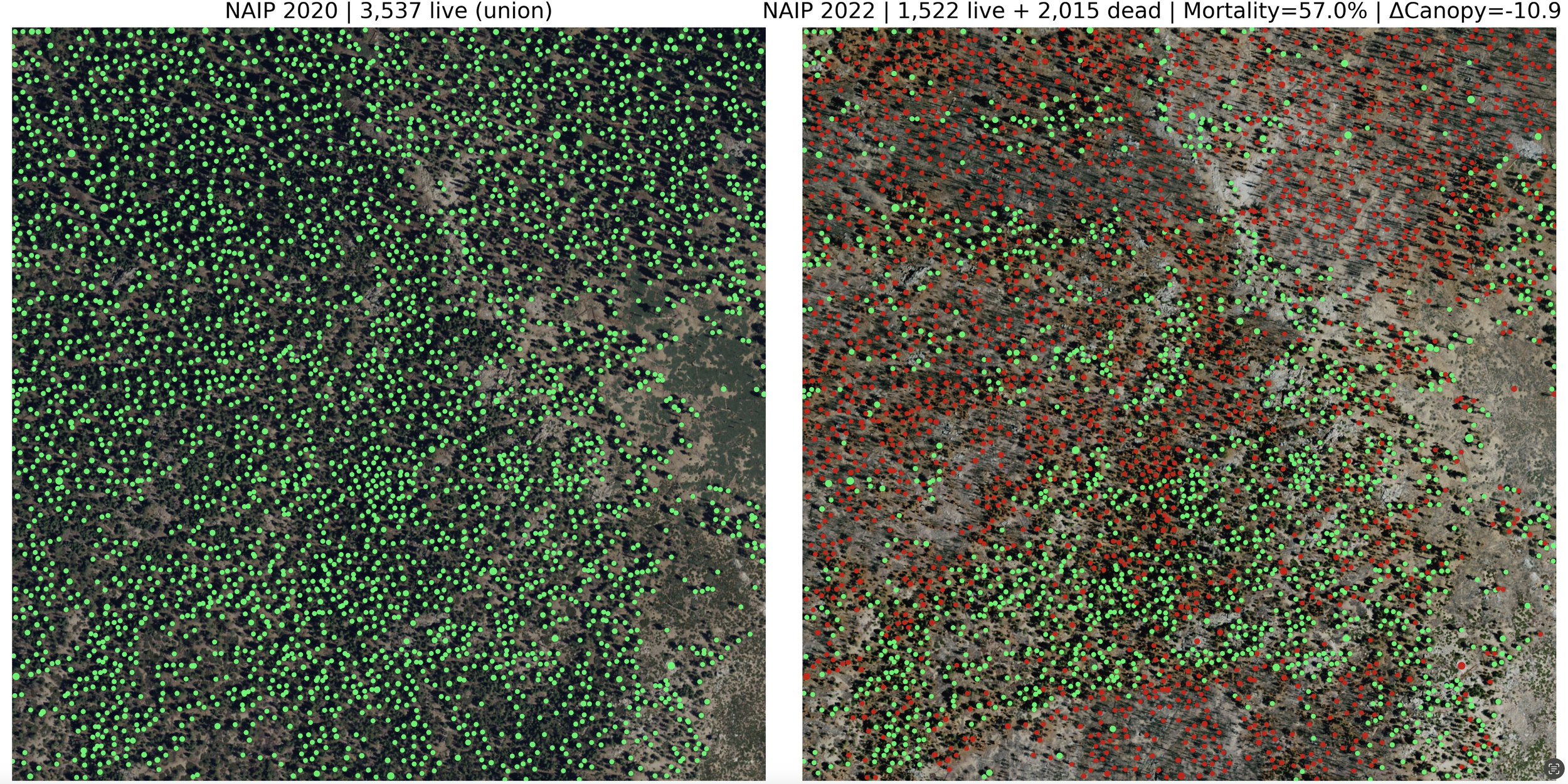
Preliminary tree mortality detection from a recent mega fire - green dots represent live trees, red dots represent dead trees - the same area is picture before the fire in 2020 (left) and 2022 after the fire (right).
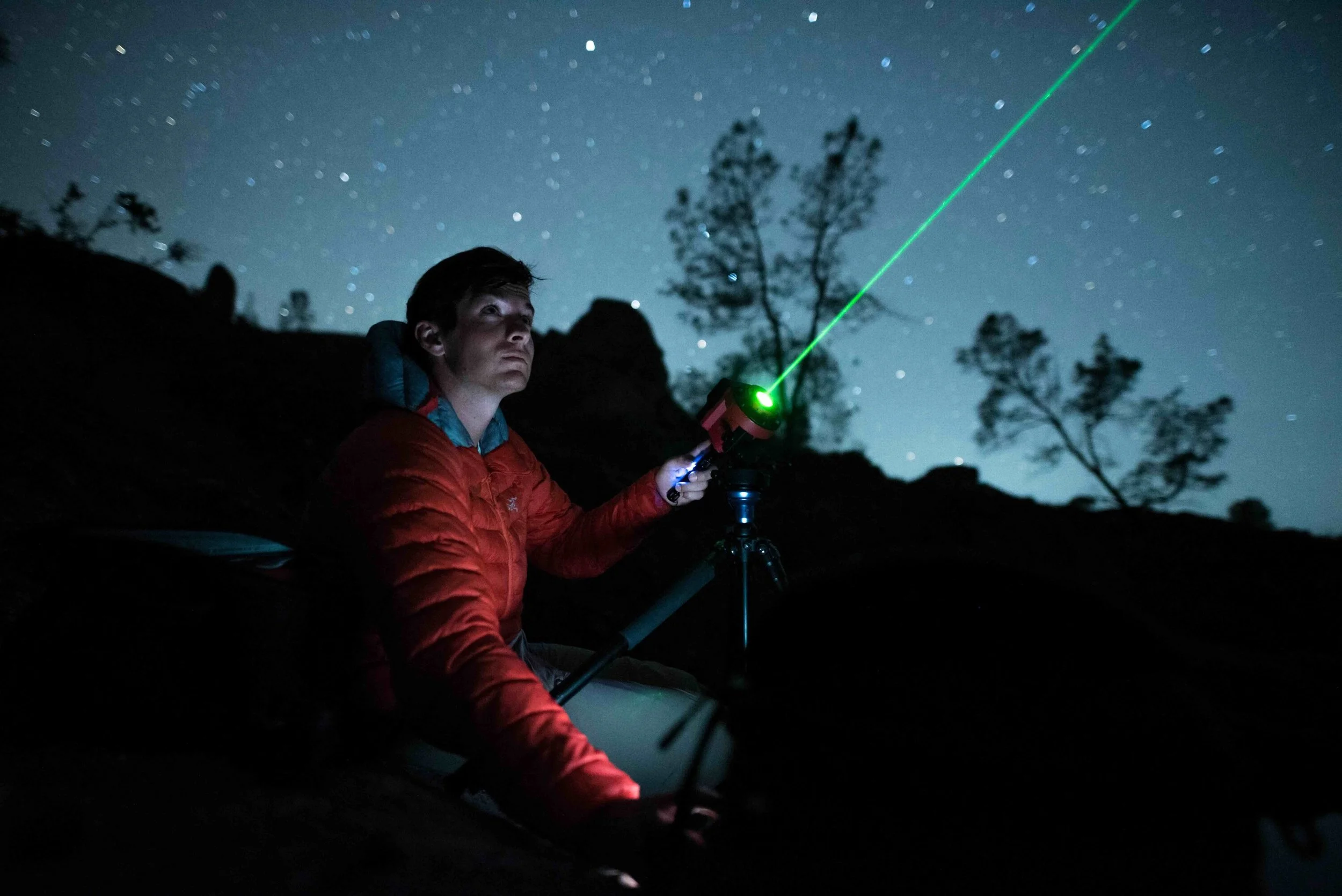
Using a laser to perform polar alignment on an equatorial mount in preparation for deep sky astronomical imaging. Photo by Max Kessler, Pinnacles National Park, 2024.
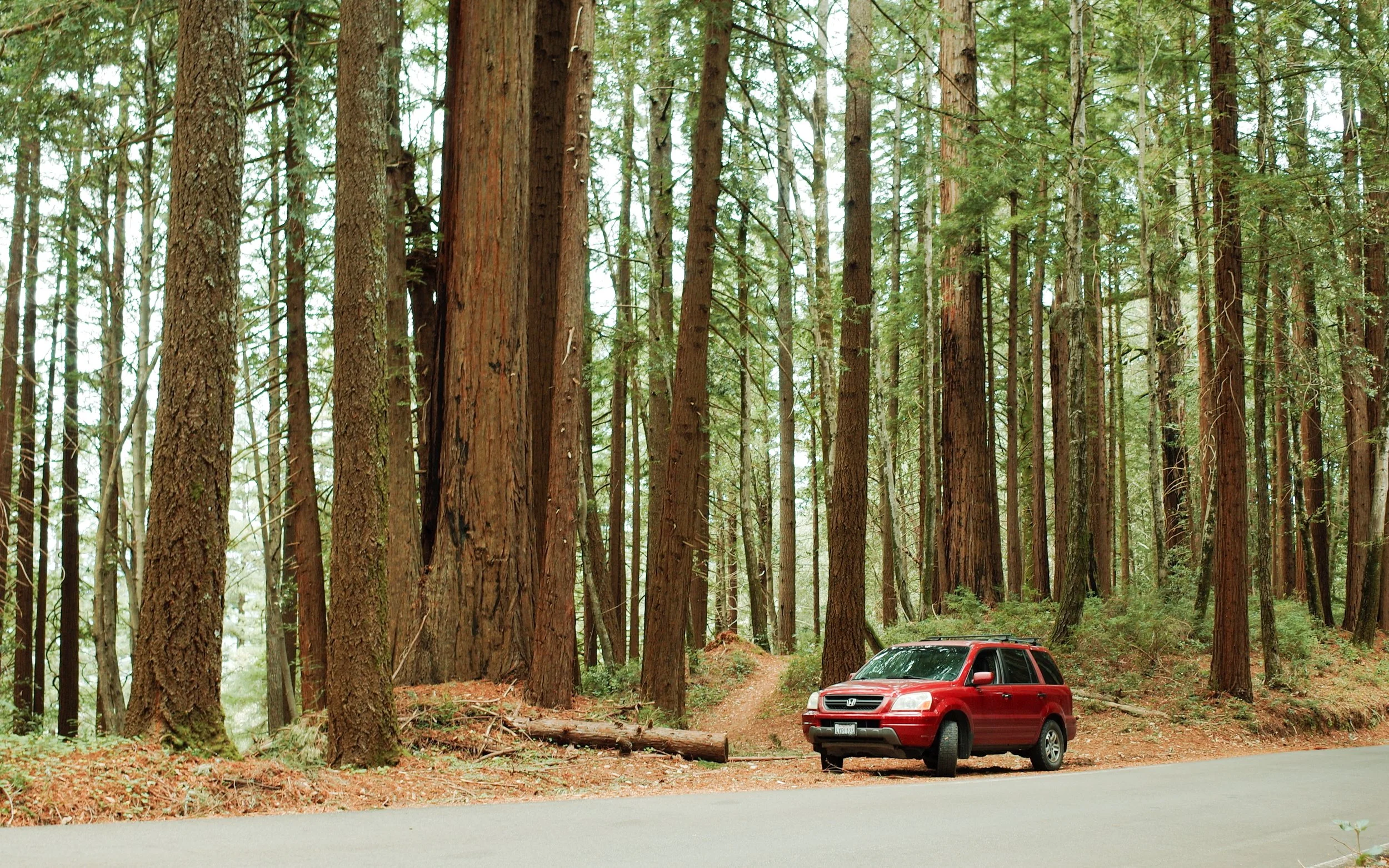
An unburned redwood stand near the entrance of the park, showing lost understory shrub density and a predominantly open understory.
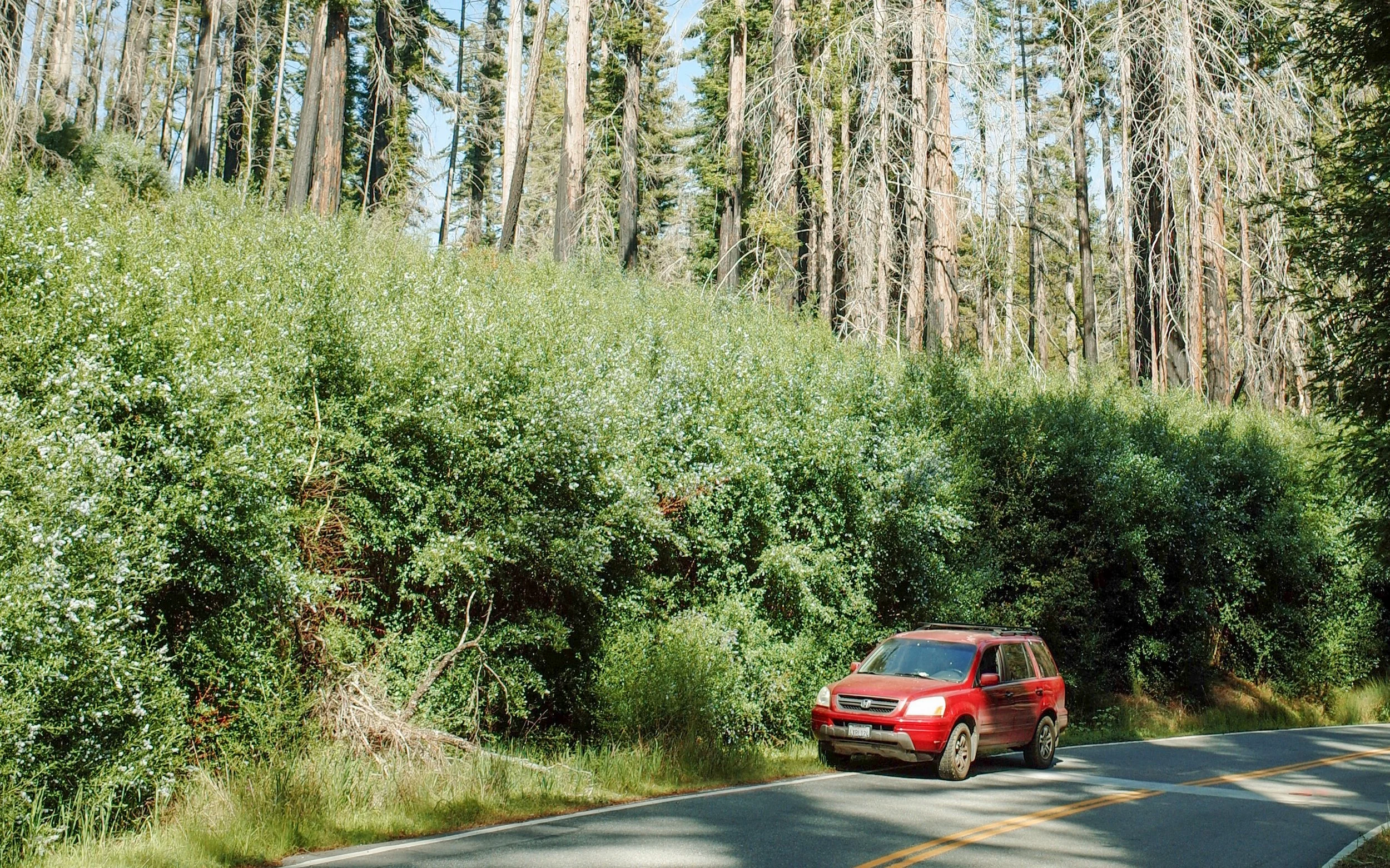
An area of redwoods that burned at high severity deeper in the park. All the understory regrowth has happen in the 5 years since the fire. Compare the differences in understory openness, and the impressive size of the post-fire vegetation.
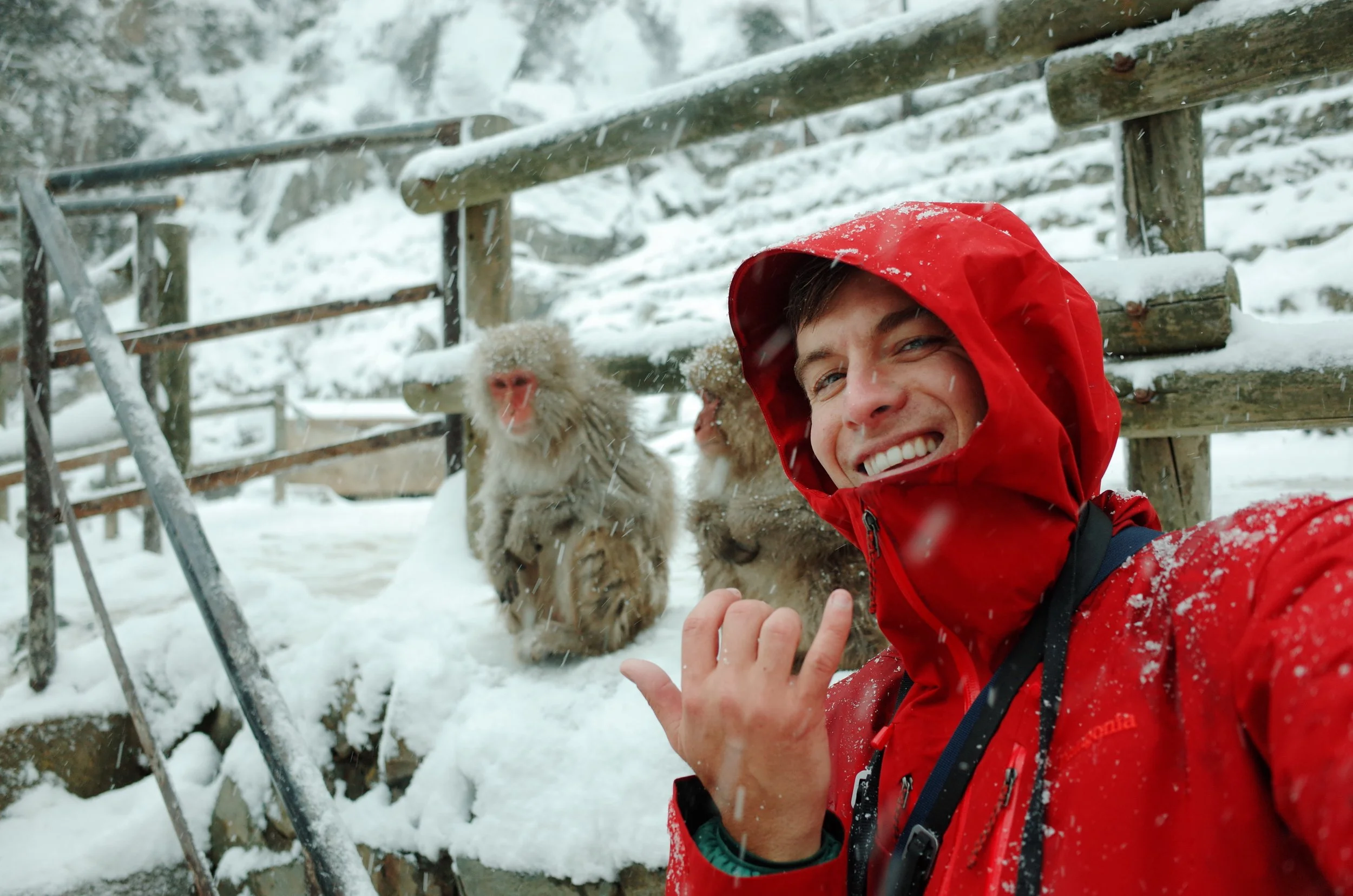
Hanging out with some relatives in Jigokudani, Nagano, Japan.
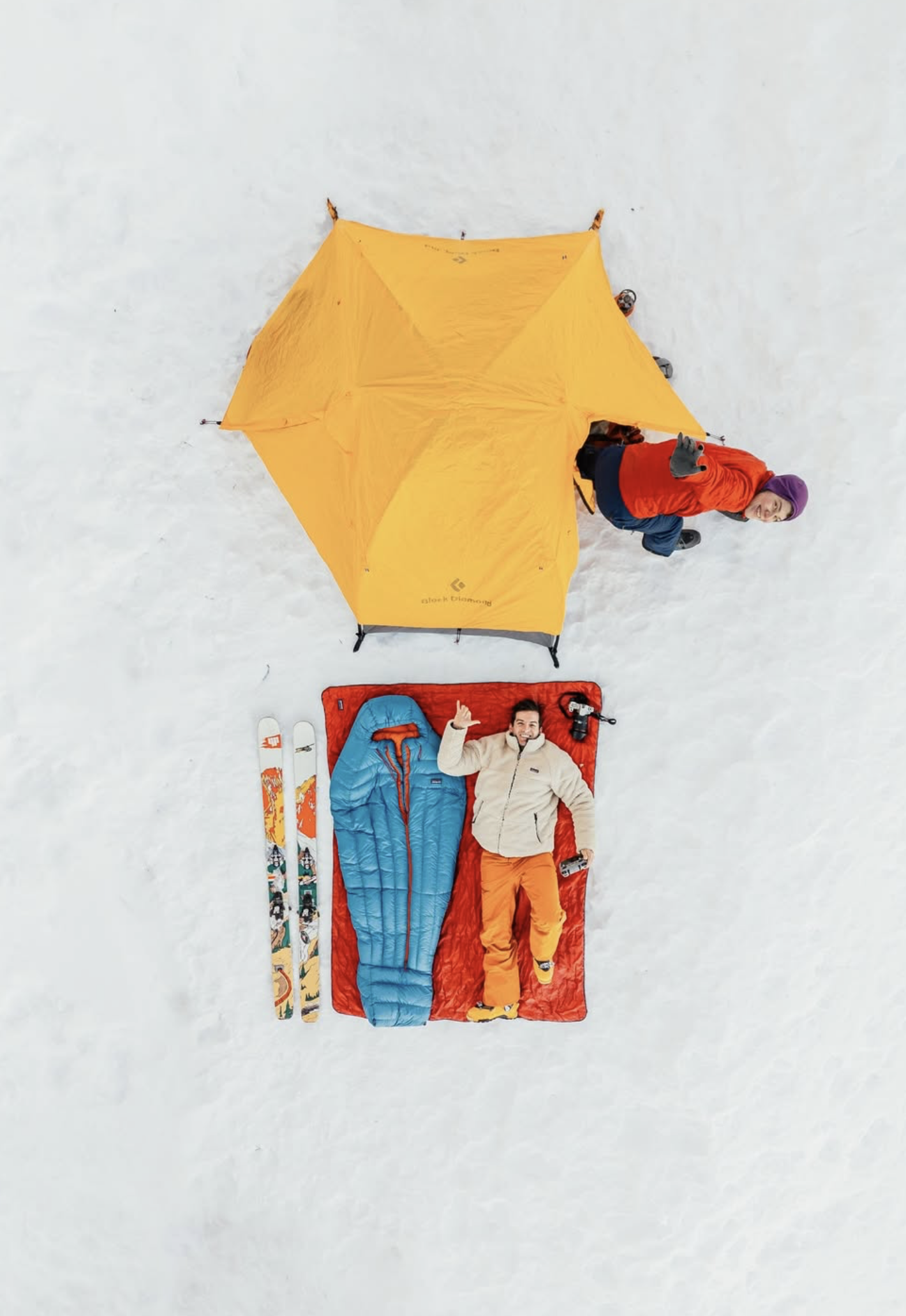
Max Kessler and Phil enjoying the first light of day after a late start up the mountain.
Profile
Philippe Roberge is a Ph.D. student and aspiring environmental changemaker in Stanford, California. Through a combination of technical science, communication and creativity, he hopes to change the way we fight to protect the natural world.
Phil is currently pursuing a Ph.D. in Earth System Science at Stanford University. His key research interests revolve around science communication, global citizen science platforms, entrepreneurial climate solutions, human-ecosystem interactions, AI for Earth, computer vision for nature applications, and the impacts of climate change on remote communities.
Current Work + Research
Phil’s current work focuses on using cutting-edge technology to measure our natural world, with a particular emphasis on forests, biodiversity, and disturbance-driven environmental change. He is especially interested in how climate change is reshaping ecosystems through megafires, and how these pressures alter habitat structure, survival strategies, and the conditions that support biodiversity.
Phil has been working with 3D scanning techniques to measure unique post-fire survival strategies. This includes implementing computer vision and machine learning on high-resolution aerial imagery to generate counts of tree mortality, before and after megafires. This will provide fire services, government, ecologists, and other stakeholders with an improved ability to mitigate future fire impacts.
At the heart of Phil’s work is his passion for communicating science in a visually engaging way and harnessing the power of photography and videography to share stories. His work drives connections with nature and empowers communities to contribute to monitoring and protecting ecosystems.
Random Adventures and Miscellaneous Interests
2025 TomKat Graduate Fellowships for Translational Research Recipient, 200K+ research funding for work on Megafire Solutions
First Place, Stanford Doerr School of Sustainability Photo Contest, 2022 & 2024
Interviewed over 40+ times on national TV and radio for Expedition Canada 150 project.
Biked from Amsterdam to Barcelona, nothing serious, just a lot of fun!
Astronomy & Astrophotography: I love taking photos of the stars, I find it fascinating - the detail that you can reveal using tracking and long exposures allows you to see a universe :) of wonders.
Food! Exploring different flavour compounds, whether in my kitchen or a strangers, and understanding the science behind cooking techniques and traditions.
Languages: which 7 should I aim to learn? Currently completed: French, English, Spanish. Ongoing: German, Arabic, Mandarin, Japanese.
People and Places: I love learning about different cultures, the values they hold, and their relationship with the land they live on.
Strange Animals - goes along with the whole primary nature interest.
Weird Lenses - one off’s, collector’s items, masterpieces, how far can we push optical limits?
Analog film cameras - I am obsessed with masterful engineering, and the beautiful images that can still be captured on film.
Ideas for the website? Email me about those too!
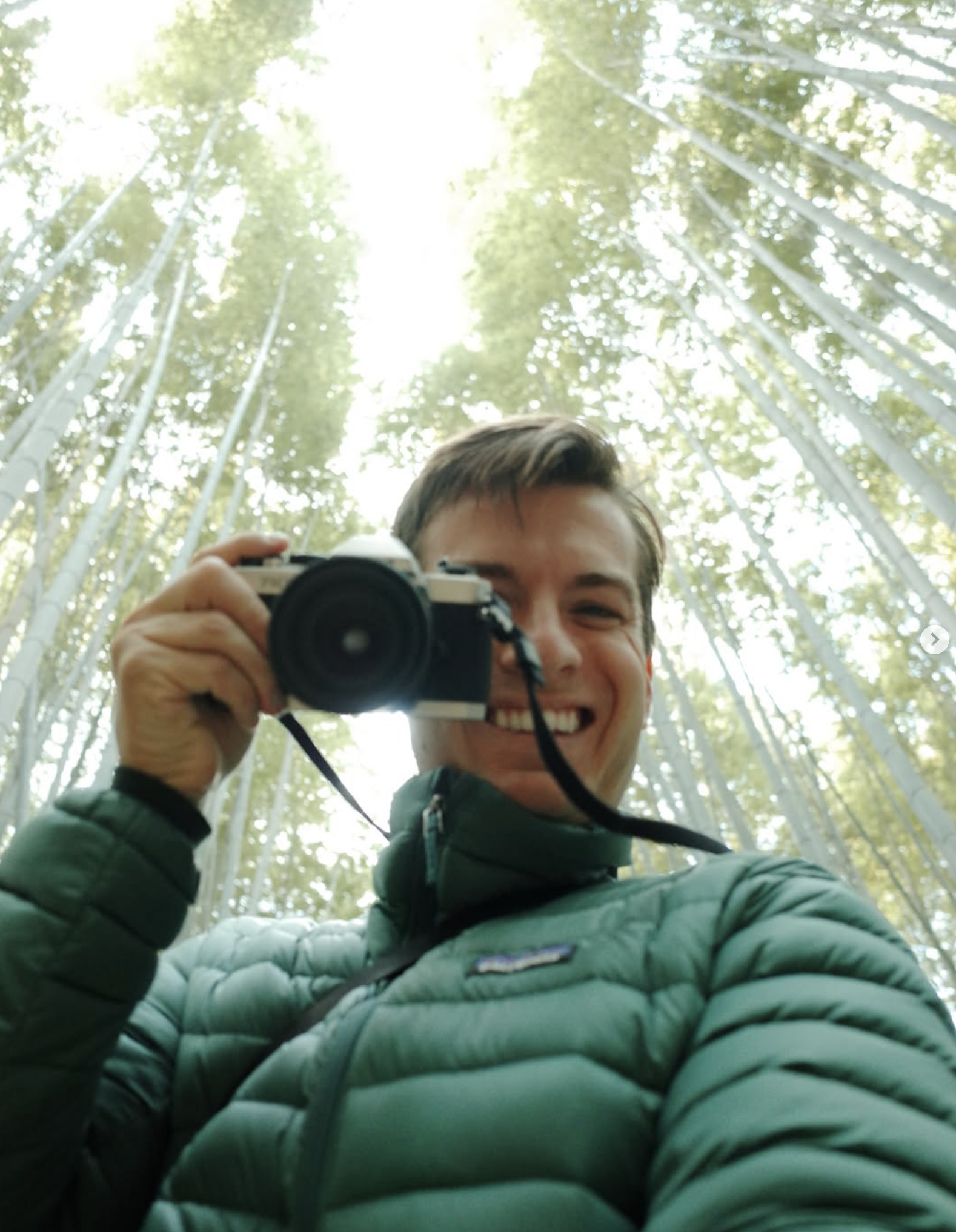
Selfie in some of the world’s tallest grass!
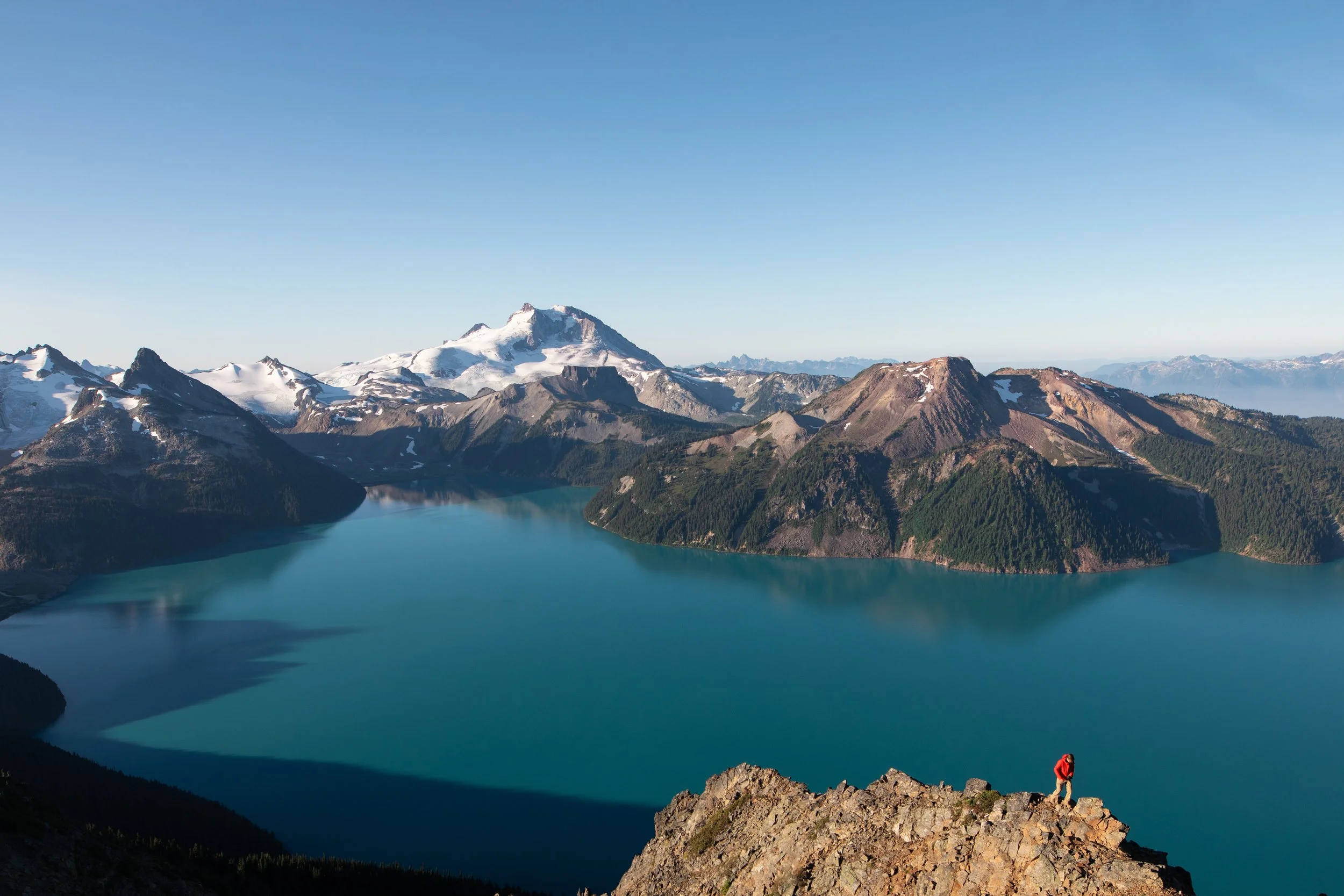
One of Phil’s all time favorite hikes is Panorama Ridge in Garibaldi Provincial Park, captured here at sunrise in August 2021.
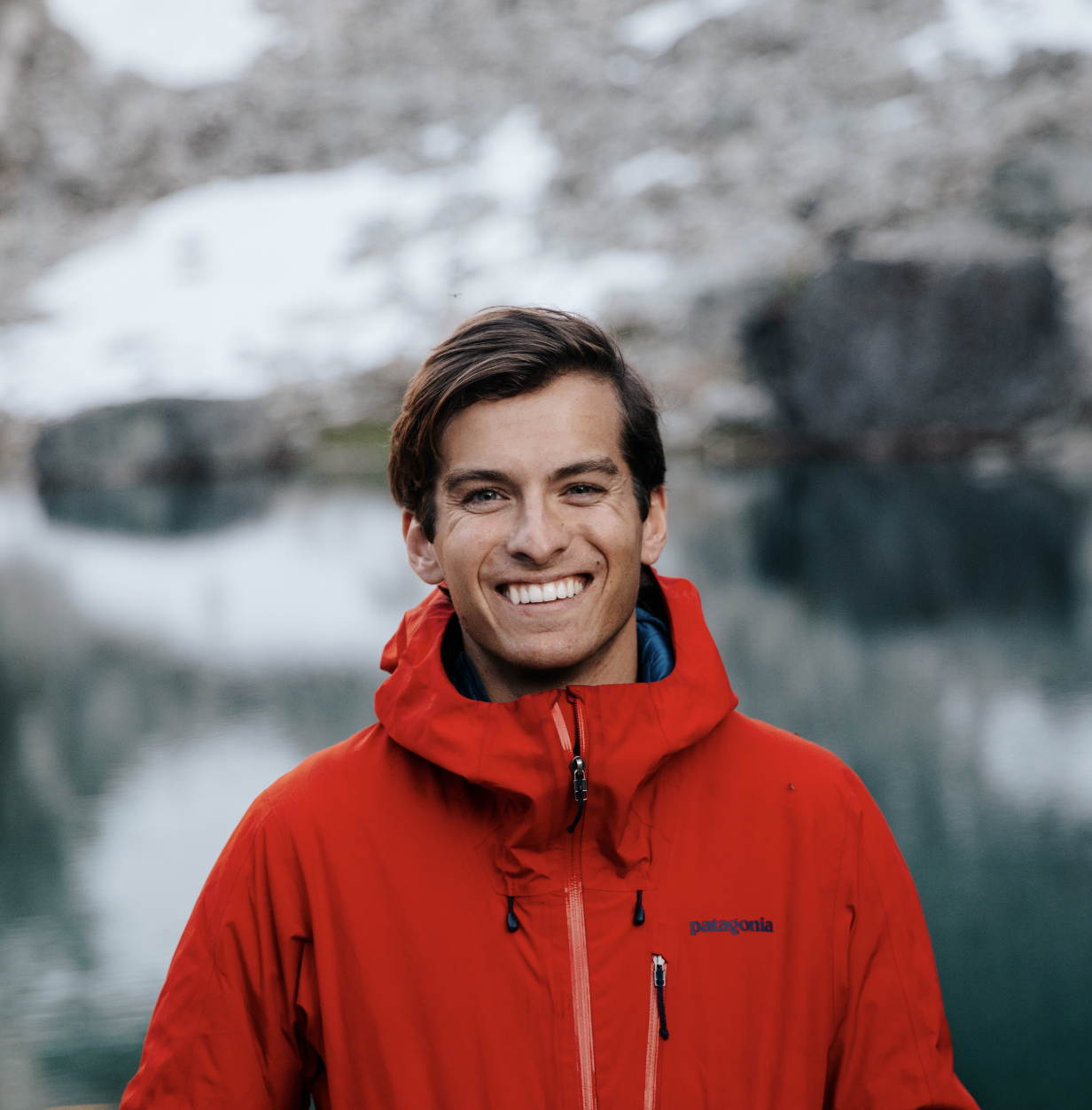
Phil in his natural habitat, the mountains of British Columbia. Photo Credit: Tarah Doheny
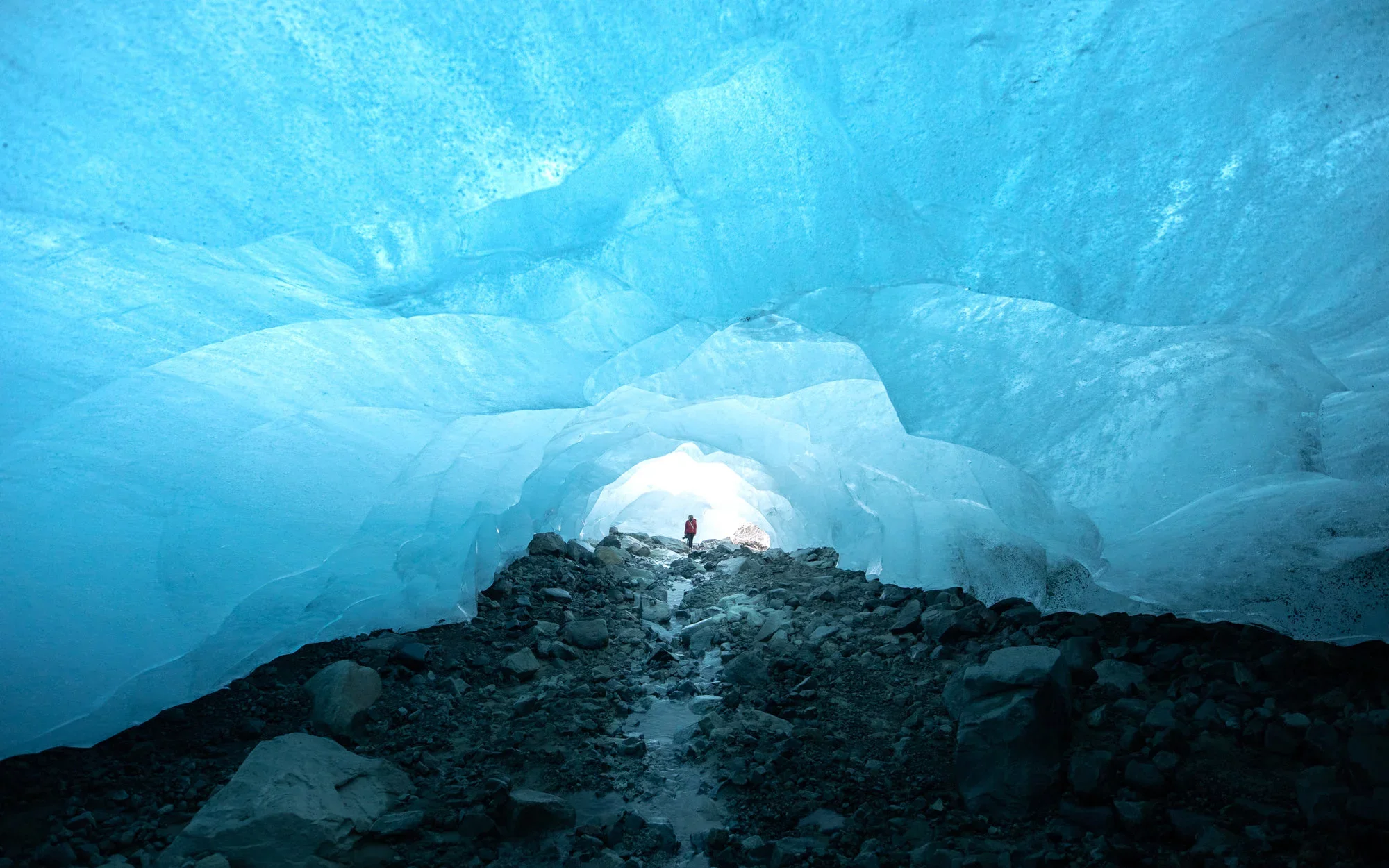
Measuring the retreat of the Wedgemount Glacier near Pemberton, BC, Canada in 2021.
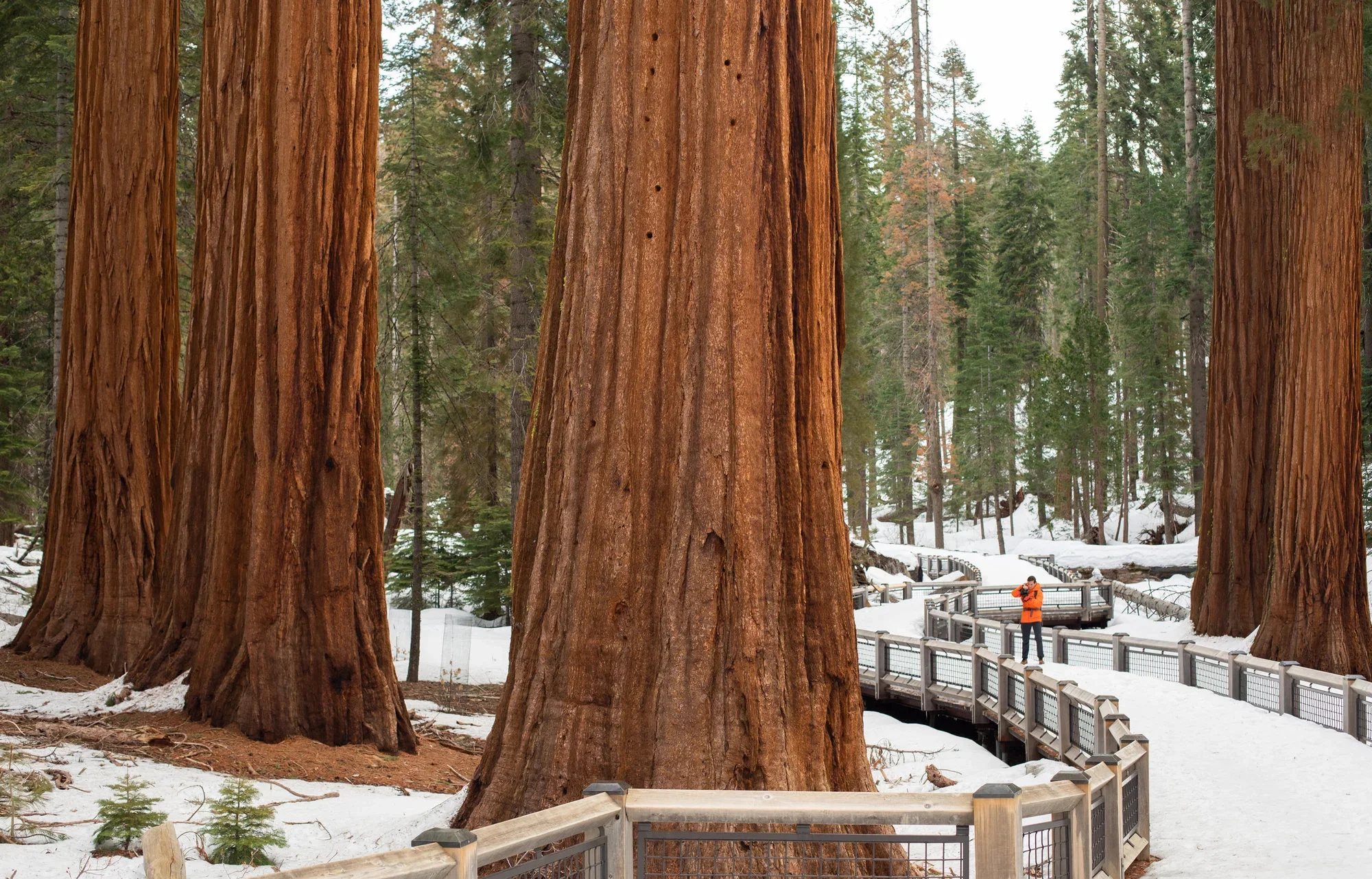
Measuring giant Sequoias using non-intrusive photogrammetry and 3D scanning approaches.
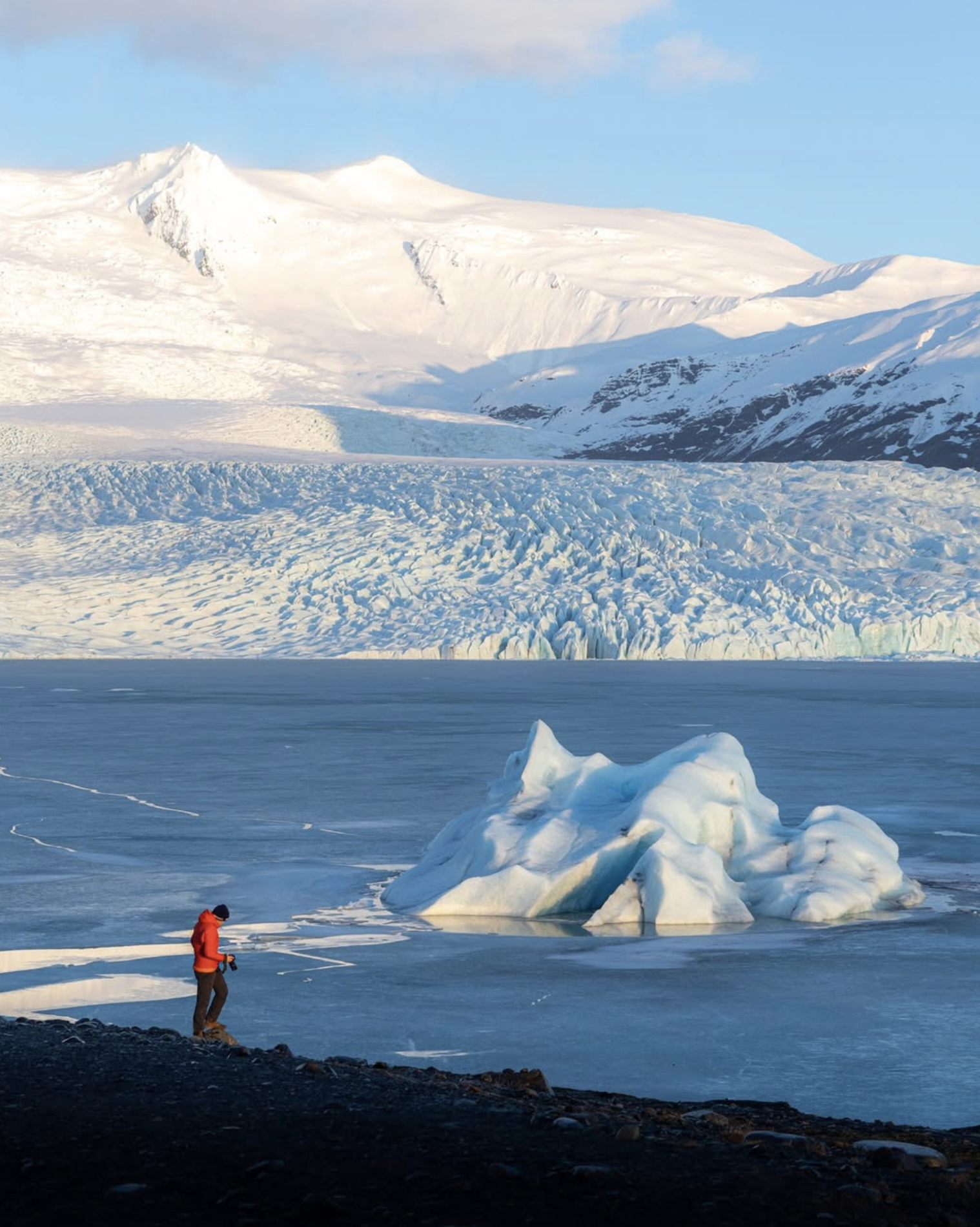
Imaging the ice dynamics in Iceland’s Jokulsarlon Glacial Lagoon.
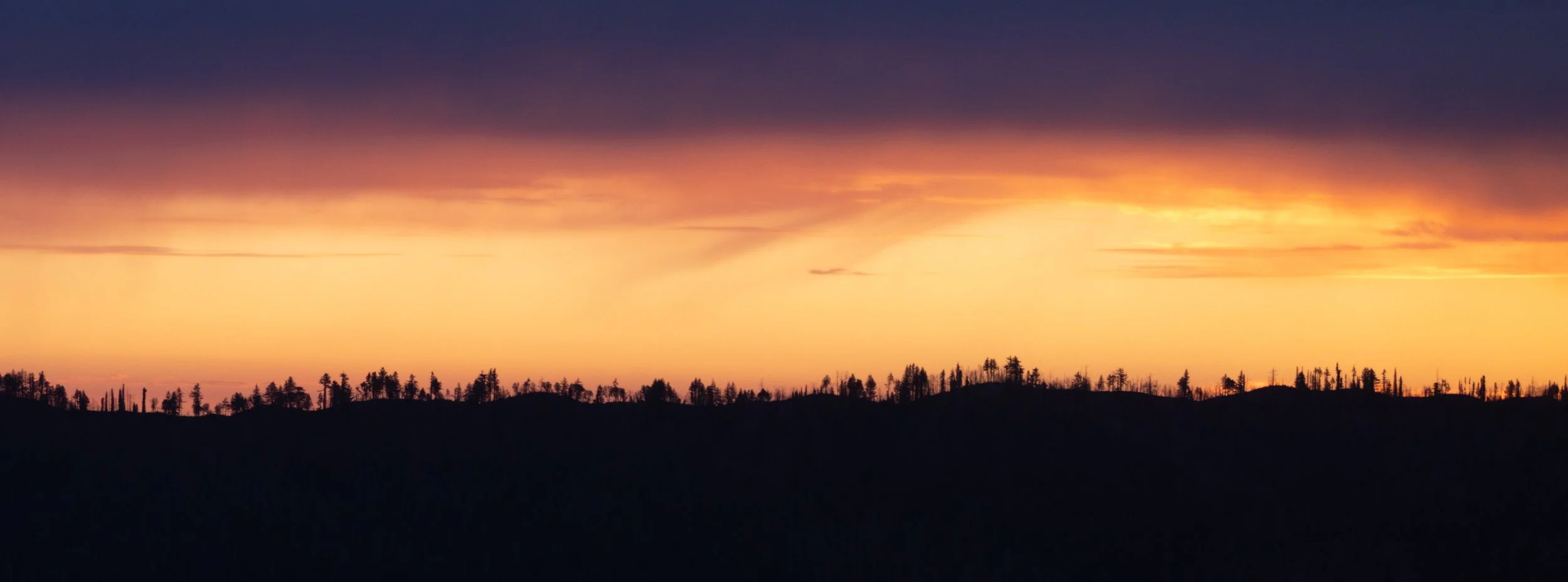
A Ridgeline in Big Basin Redwood State Park, captured 5 years after the devastating CZU Fire. Notice the diversity of stand densities - some redwood clumps are largely intact.
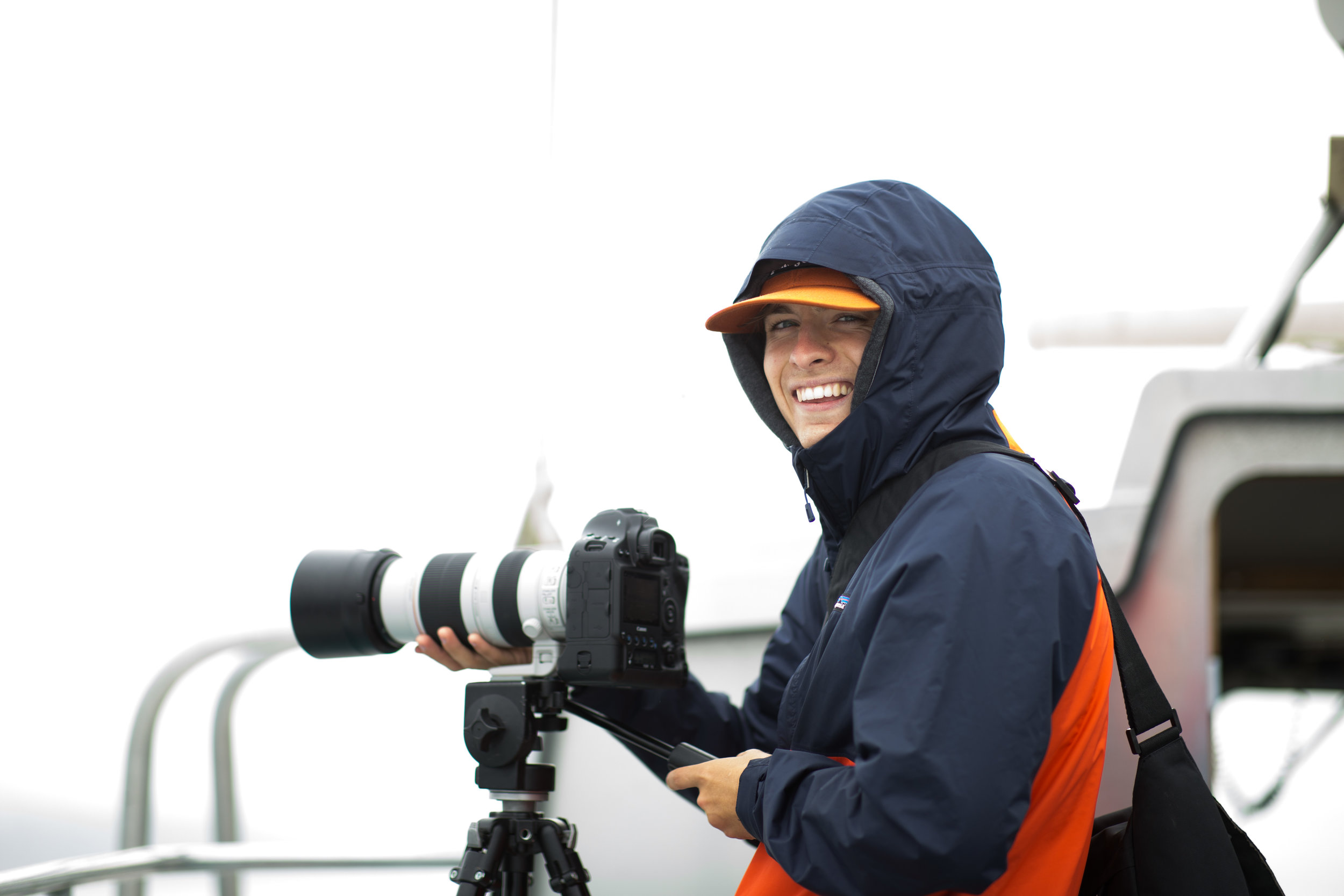
Filming whales near Telegraph Cove, BC. Photo Credit: Christopher Neil De Groot
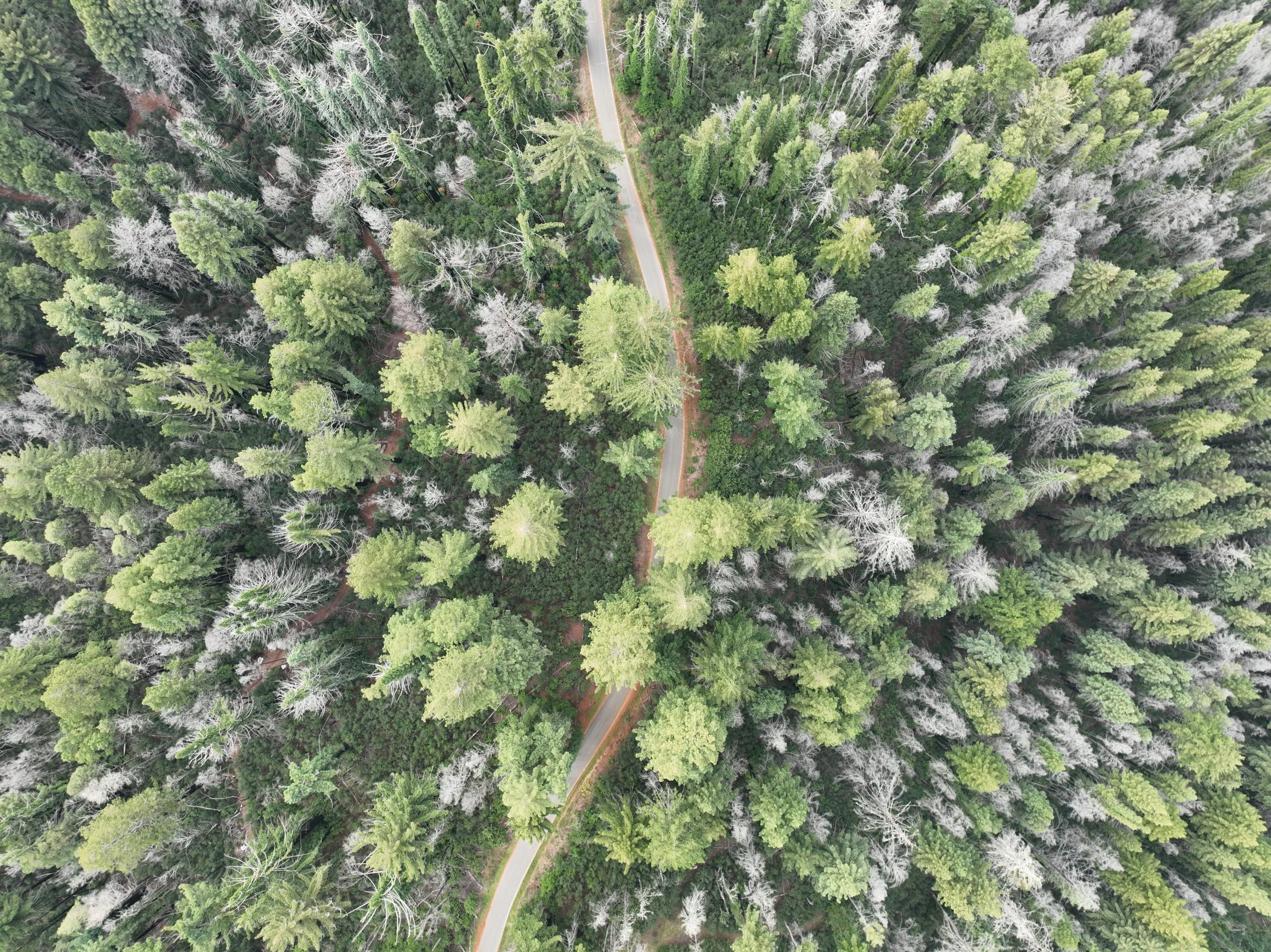
Aerial photo demonstrating the incredible resilience and resprouting diversity of coast redwoods, 5 years after the CZU fire.